
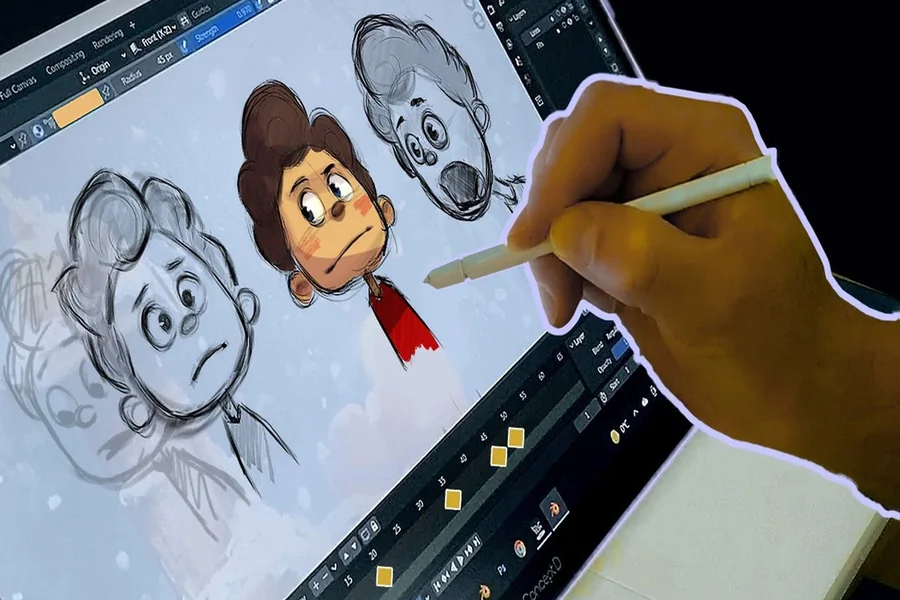
Animation has become an important part of digital communication because it can make information feel more dynamic and easier to notice. From social media posts and advertisements to educational content and product demonstrations, motion can help guide attention and make a message more interesting. In a crowded digital environment, even simple animation can create a stronger first impression than a completely static visual.
One reason animation works well is that movement naturally attracts the eye. People tend to notice changes in their environment quickly, and digital content uses the same principle. A moving element can highlight an important message, show how something changes over time, or help explain a process that would be difficult to describe using only text. When motion is used carefully, it can make content easier to follow rather than simply more decorative.
Creators no longer need advanced animation skills to add movement to everyday content. With tools such as an image animator, a still visual can be turned into something more dynamic and attention-grabbing. This makes animation more accessible to marketers, educators, small businesses, and creators who want to communicate ideas in a more engaging format.
Animation Captures Attention Quickly
Digital users are constantly moving between websites, apps, videos, and social feeds.
This creates strong competition for attention.
A static post may be easy to scroll past.
Movement can create a reason to stop.
Even a small animated element can attract attention because it breaks the visual pattern around it.
This is especially useful on social media, where creators may have only a few seconds to capture interest.
However, attention should not be the only goal.
The animation should lead the viewer toward something meaningful.
If movement attracts attention but the message is unclear, engagement usually disappears quickly.
Motion Can Guide the Viewer
Animation can direct attention toward specific parts of a design.
For example, a button may move slightly to show that it is interactive.
Text may appear in sequence to create a clear reading order.
An arrow may animate to show where the user should look next.
This is useful because digital content often contains several elements at once.
Without visual guidance, the viewer may not know what deserves attention first.
Animation creates hierarchy through movement.
It can show what matters now and what should be noticed next.
Animation Helps Explain Processes
Some ideas are difficult to explain with a single image.
Processes involve change.
One step leads to another.
Animation makes those transitions visible.
For example, an educational animation might show how water moves through the water cycle.
A software tutorial may demonstrate how information moves from one part of a system to another.
A product animation can show how different components work together.
Instead of imagining the sequence from a written explanation, viewers can watch it happen.
This can reduce confusion and make complex ideas easier to understand.
Moving Visuals Support Learning
Animation can be especially useful in education.
Learners often understand information better when they can see both the structure and the movement involved.
A static diagram shows where things are.
Animation can show what happens.
This distinction matters in subjects involving sequences, transformation, or motion.
Science is one example.
Biological processes, chemical reactions, and physical systems may all become easier to understand when movement is shown visually.
The same applies to technical training.
Seeing a process unfold step by step can make it easier to remember.
Animation Can Improve Memory
Information becomes more memorable when it is distinctive.
Movement can help create that distinction.
If one important idea is supported by a clear animation, viewers may remember it more easily than information presented in a long block of text.
Animation can also create multiple memory cues.
The viewer may remember the image.
They may remember the movement.
They may remember where the object appeared.
These cues can support recall later.
However, animation only helps when it is connected to the idea.
Unrelated movement can become a distraction.
Simple Animation Is Often More Effective
Complex animation is not always better.
A small amount of motion can be enough.
For example:
A photograph can slowly zoom.
An icon can move slightly.
Text can appear gradually.
A product feature can be highlighted.
A simple before-and-after transition can show change.
These techniques are easy to understand.
They also keep the focus on the content.
Overly complicated effects may look impressive, but they can make communication harder.
Simplicity usually produces a cleaner result.
Animation Strengthens Social Media Content
Social platforms are highly visual.
Users scroll quickly and make fast decisions.
Animated content can stand out because it creates movement without requiring a full-length video.
This is useful for announcements, tips, promotional graphics, educational posts, and storytelling.
A creator can begin with a still image and add subtle motion to make the post feel more alive.
This approach is particularly useful when there is not enough time or budget for full video production.
Animation provides a middle ground between static design and video.
Brands Use Animation to Build Personality
Motion can also contribute to brand identity.
Some brands use smooth, minimal animation to communicate simplicity.
Others use energetic movement to feel playful or youthful.
Animation style can influence how a brand feels.
This is why motion should match the overall visual identity.
A serious financial brand may use subtle transitions.
A gaming brand may use faster and more dramatic effects.
Consistency matters.
If every piece of content uses a completely different animation style, the brand can feel less coherent.
Animation Makes Presentations More Dynamic
Presentations can become difficult to follow when every slide is static.
Carefully used animation can improve pacing.
Information can appear one point at a time.
A chart can reveal data gradually.
A process can be shown step by step.
This prevents the audience from seeing everything at once.
It also allows the presenter to control the flow of information.
However, excessive transitions can make a presentation feel unprofessional.
Animation should support the speaker rather than compete with them.
Product Demonstrations Benefit From Motion
Products often become easier to understand when people can see how they work.
Animation can show features that are difficult to explain through text.
A software company may demonstrate how a feature behaves.
A physical product can be shown from different angles.
A design can show how individual parts fit together.
This makes the value easier to understand.
Instead of asking the customer to imagine the experience, the brand can demonstrate it visually.
This is especially useful for unfamiliar or technical products.
Animation Can Simplify Data
Data does not always need to remain static.
Animated charts can show how values change over time.
A line may move across a timeline.
Bars can grow as values increase.
A map can show geographic change.
This can help audiences understand progression.
However, animated data needs to move slowly enough to follow.
If information disappears too quickly, viewers may miss important details.
Static labels or summaries are often helpful alongside the animation.
The goal is understanding, not spectacle.
Visual Storytelling Becomes More Expressive
Animation gives creators more ways to tell stories.
A still image captures one moment.
Animation can show progression.
A character can react.
A location can change.
Text can appear at key moments.
This makes it possible to build short narratives even with simple visuals.
Digital storytelling often benefits from this because audiences respond well to movement and sequence.
The story does not need to be complicated.
Even a short animated transformation can communicate a beginning, change, and result.
Animation Can Make Educational Content Less Intimidating
Complicated topics can feel difficult when presented through dense text.
Animation can make the material feel more approachable.
Instead of reading a long technical explanation, learners can first watch a simple visual overview.
This provides context.
The deeper explanation can follow afterward.
This approach works well because learners understand the general structure before dealing with details.
Animation becomes an introduction rather than a replacement for complete information.
Motion Should Have a Purpose
One of the most important principles in animation is purpose.
Before adding movement, ask:
What should the viewer notice?
What should they understand?
Does movement explain something?
Does it guide attention?
Does it show change?
If the answer is no, the animation may not be necessary.
Decorative motion can sometimes add personality, but too much creates noise.
Every moving element competes for attention.
Good design limits that competition.
Animation Can Improve User Experience
Interfaces often use small animations to communicate what is happening.
A button changes after being clicked.
A loading indicator shows that the system is working.
A menu smoothly opens.
An error message appears clearly.
These small interactions provide feedback.
Without them, users may wonder whether their action worked.
Animation can make digital products feel more responsive.
This is sometimes called microinteraction design.
The motion is small, but the effect on usability can be significant.
Accessibility Matters
Animation should also be designed with accessibility in mind.
Some users are sensitive to excessive motion.
Fast flashing or constant movement can be uncomfortable.
Important information should not disappear before people have time to read it.
Users should not need animation alone to understand something essential.
Designers should keep movement controlled and avoid unnecessary visual intensity.
Accessible animation creates a better experience for everyone.
Animation and Video Are Different Tools
Animation and video are related, but they serve different purposes.
Video captures real movement.
Animation creates movement artificially.
Sometimes video is better.
For example, a cooking demonstration may benefit from showing a real person preparing food.
In other situations, animation is clearer.
A technical process inside a machine may be difficult to film but easy to illustrate.
The best format depends on the message.
Creators should choose the format that explains the idea most clearly.
Short Animations Work Well for Mobile Audiences
A large amount of digital content is consumed on mobile devices.
Small screens change how people interact with visuals.
Content needs to be simple and readable.
Short animations work well because they can communicate quickly without requiring long viewing time.
Large text, clear movement, and simple compositions are especially important.
Details that look good on a desktop may become difficult to see on a phone.
Mobile design should therefore be considered from the beginning.
Animation Makes Repetitive Content Feel Fresher
Brands often need to communicate similar types of information repeatedly.
Announcements.
Tips.
Product updates.
Offers.
Educational posts.
If every design is completely static, content can begin to feel repetitive.
Small animation changes can create variety while keeping the visual identity consistent.
For example, the same template can use different motion styles for different messages.
This keeps production efficient while helping content feel less repetitive.
Good Animation Starts With a Clear Message
Animation cannot fix unclear content.
Before adding motion, creators should understand the main idea.
What should the audience remember?
What action should they take?
What information is most important?
Once the message is clear, movement can support it.
Without that clarity, animation may simply make a confusing message move.
Content strategy should come before effects.
Conclusion
Animation makes digital content more engaging because movement naturally attracts attention and helps people understand change, sequence, and relationships. It can support learning, improve presentations, strengthen social media content, and make products easier to explain.
The most effective animation is usually simple and purposeful. It guides attention, supports the message, and gives viewers enough time to understand what they are seeing.
As digital communication becomes increasingly visual, animation offers creators a practical way to make static ideas feel more dynamic. When used carefully, it does more than make content look interesting—it can make information clearer, more memorable, and easier to understand.